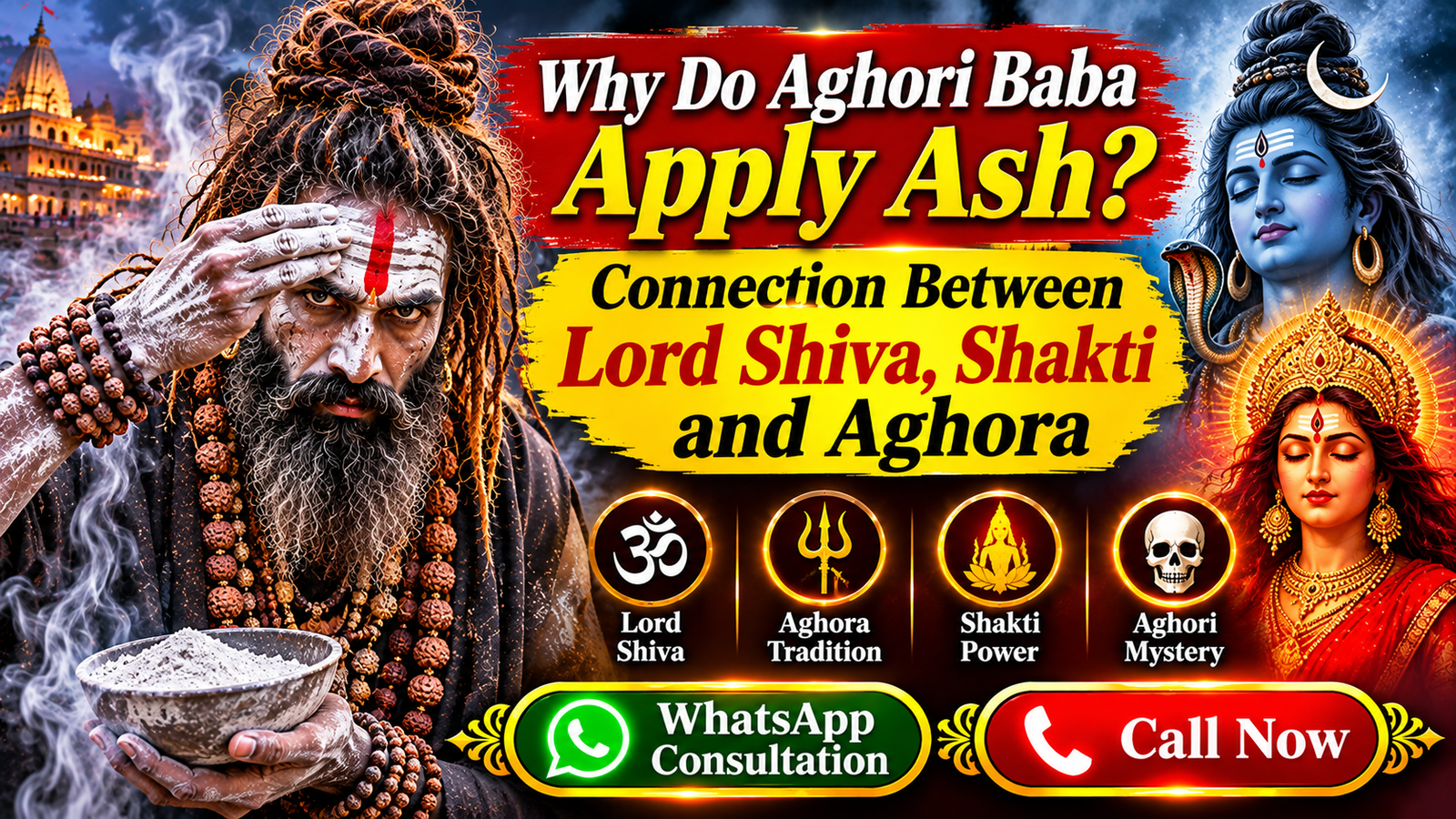
In Hindu spirituality, Bhasma (Sacred Ash) holds a special place, particularly in the worship of Lord Shiva. From ancient Shaivite traditions to the distinctive lifestyle of Aghori Baba, applying ash represents much more than an external religious practice. It symbolises detachment, the temporary nature of physical existence, spiritual transformation and devotion to Mahadev.
लेकिन क्या आपने कभी सोचा है कि अघोरी बाबा अपने पूरे शरीर पर भस्म क्यों लगाते हैं? भगवान शिव स्वयं भस्म क्यों धारण करते हैं? अघोर परंपरा में भस्म का क्या महत्व है और इसका माता शक्ति तथा भगवान शिव से क्या संबंध है?
For centuries, sacred ash has been associated with Shiva worship, spiritual meditation and Aghora philosophy. अघोरी परंपरा में भस्म को संसार की नश्वरता, अहंकार से मुक्ति और भगवान शिव के प्रति समर्पण का प्रतीक माना जाता है।
In this article, we will explore Why Aghori Baba Apply Ash, its connection with Lord Shiva and Goddess Shakti, the spiritual meaning of Bhasma and its importance in Aghora traditions.
Table of Contents
| No. | Topics |
|---|---|
| 1 | Why Do Aghori Baba Apply Ash? |
| 2 | What Is Bhasma or Vibhuti? |
| 3 | Connection Between Lord Shiva and Sacred Ash |
| 4 | Spiritual Meaning of Ash in Aghori Traditions |
| 5 | Connection Between Lord Shiva, Shakti and Aghora |
| 6 | Why Do Aghori Baba Apply Ash on Their Entire Body? |
| 7 | Different Types of Bhasma in Hindu Traditions |
| 8 | Cremation Grounds and the Spiritual Meaning of Ash |
| 9 | Difference Between Aghori Baba and Other Shaivite Sadhus |
| 10 | Bhasma and Lord Shiva’s Three Horizontal Forehead Lines |
| 11 | Aghori Baba Lifestyle and Spiritual Practices |
| 12 | Frequently Asked Questions |
| 13 | Conclusion |
1. Why Do Aghori Baba Apply Ash? – अघोरी बाबा शरीर पर भस्म क्यों लगाते हैं?
Aghori Baba apply ash, traditionally known as Bhasma or Vibhuti, as part of their spiritual identity and connection with Lord Shiva. In Shaivite traditions, ash represents the temporary nature of the physical body and the importance of spiritual understanding.
अघोरी बाबा अपने शरीर पर भस्म इसलिए लगाते हैं क्योंकि यह भगवान शिव की उपासना और अघोर दर्शन से जुड़ा एक महत्वपूर्ण प्रतीक है। भस्म मनुष्य को यह याद दिलाती है कि शरीर और सांसारिक वस्तुएं नश्वर हैं। यह वैराग्य, आत्मचिंतन और आध्यात्मिक चेतना का प्रतीक भी मानी जाती है।
For Aghori practitioners, ash also represents freedom from worldly attachments, ego and material identity. Their distinctive appearance reflects a spiritual philosophy that looks beyond conventional ideas of beauty, status and social recognition.
अघोर परंपरा में भस्म को मोह, अहंकार और सांसारिक पहचान से ऊपर उठने का प्रतीक माना जाता है। अघोरी साधकों की यह विशेष पहचान उनके आध्यात्मिक दर्शन और भगवान शिव के प्रति समर्पण को दर्शाती है।
The deeper meaning: Ash reminds practitioners of the temporary nature of physical existence and the importance of understanding life beyond external appearances.
2. What Is Bhasma or Vibhuti? – भस्म और विभूति क्या होती है?
Bhasma and Vibhuti are sacred ash associated with Hindu religious traditions, particularly Shaivism. They are commonly used in Shiva worship and applied to the forehead or other parts of the body during certain religious practices.
भस्म या विभूति हिंदू धार्मिक परंपराओं में पवित्र मानी जाने वाली राख है। इसका विशेष संबंध भगवान शिव की उपासना और शैव परंपरा से है। शिव भक्त इसे माथे पर त्रिपुंड के रूप में लगाते हैं और कुछ परंपराओं में शरीर के अन्य हिस्सों पर भी धारण करते हैं।
The word Bhasma is associated with ash, while Vibhuti is also understood as sacred glory, spiritual significance or divine power in different Hindu contexts.
भस्म का सामान्य अर्थ राख होता है, जबकि विभूति शब्द का प्रयोग आध्यात्मिक महिमा, दिव्यता और पवित्रता के अर्थ में भी किया जाता है।
| Term | English Meaning | हिंदी अर्थ |
|---|---|---|
| Bhasma | Sacred ash | पवित्र भस्म |
| Vibhuti | Divine glory or sacred ash | विभूति या आध्यात्मिक महिमा |
| Tripundra | Three horizontal forehead lines | माथे पर तीन क्षैतिज रेखाएं |
| Shiva Bhasma | Ash associated with Lord Shiva | भगवान शिव से जुड़ी भस्म |
| Aghora | Shaivite spiritual tradition | अघोर आध्यात्मिक परंपरा |
3. Connection Between Lord Shiva and Sacred Ash – भगवान शिव और भस्म का संबंध
Lord Shiva is traditionally depicted with sacred ash covering his body. In Hindu mythology and Shaivite traditions, Bhasma is closely associated with his ascetic nature, detachment and connection with the cycle of creation and destruction.
भगवान शिव को भस्म धारण करने वाले देवता के रूप में भी जाना जाता है। उनकी प्रतिमाओं और चित्रों में शरीर पर भस्म, माथे पर त्रिपुंड, जटाओं में गंगा और मस्तक पर चंद्रमा दिखाई देता है। ये सभी प्रतीक शिव के अद्वितीय स्वरूप और आध्यात्मिक चेतना को दर्शाते हैं।
Lord Shiva is also known as Bhasmadhari, meaning the one who wears sacred ash. His appearance represents the understanding that worldly possessions, physical beauty and material achievements are temporary.
भगवान शिव का भस्मधारी स्वरूप यह संदेश देता है कि संसार की सभी भौतिक वस्तुएं समय के साथ समाप्त हो सकती हैं। धन, सुंदरता, पद और प्रतिष्ठा स्थायी नहीं हैं। शिव का स्वरूप वैराग्य और आत्मिक सत्य की ओर संकेत करता है।
In Shaivite traditions, sacred ash is therefore not merely a decorative mark. It represents a deeper spiritual connection with Mahadev.
इसी कारण शिव भक्तों के लिए भस्म केवल शरीर पर लगाने वाली राख नहीं, बल्कि महादेव के प्रति श्रद्धा और आध्यात्मिक समर्पण का प्रतीक है।
4. Spiritual Meaning of Ash in Aghori Traditions – अघोर परंपरा में भस्म का आध्यात्मिक अर्थ
Aghora philosophy has a distinctive understanding of life, death, consciousness and the nature of existence. Sacred ash is an important symbol within the broader spiritual world of Aghori traditions.
अघोर दर्शन में जीवन, मृत्यु, आत्मा और परम चेतना को समझने का विशेष महत्व है। भस्म इस दर्शन में एक ऐसा प्रतीक है जो मनुष्य को जीवन की वास्तविकता और शरीर की नश्वरता का स्मरण कराता है।
Some important spiritual meanings associated with Bhasma include:
A. Symbol of Impermanence – नश्वरता का प्रतीक
Ash represents the temporary nature of physical existence. Everything that belongs to the material world eventually changes or disappears.
भस्म यह दर्शाती है कि संसार में कुछ भी हमेशा एक जैसा नहीं रहता। शरीर, धन, सुंदरता और सांसारिक उपलब्धियां समय के साथ समाप्त हो सकती हैं।
B. Symbol of Detachment – वैराग्य का प्रतीक
In Aghora philosophy, detachment is associated with freedom from excessive material attachment and ego.
अघोर दर्शन में वैराग्य का अर्थ सांसारिक मोह, अहंकार और बाहरी पहचान से ऊपर उठने की भावना से जुड़ा है। भस्म इसी आध्यात्मिक विचार का प्रतीक मानी जाती है।
C. Connection with Lord Shiva – भगवान शिव से संबंध
Ash is closely connected with the traditional appearance of Lord Shiva and the identity of many Shaivite ascetics.
भस्म भगवान शिव के स्वरूप और शैव साधुओं की धार्मिक पहचान से जुड़ी हुई है। अघोरी बाबा इसी परंपरा के अंतर्गत भस्म को विशेष महत्व देते हैं।
D. Spiritual Transformation – आध्यात्मिक परिवर्तन
Bhasma can symbolise the transformation of one’s understanding of life, identity and consciousness.
भस्म को मनुष्य के विचारों, जीवन के प्रति दृष्टिकोण और आध्यात्मिक समझ में परिवर्तन का प्रतीक भी माना जाता है।
5. Connection Between Lord Shiva, Shakti and Aghora – भगवान शिव, शक्ति और अघोर का संबंध
The relationship between Lord Shiva and Goddess Shakti is one of the most important concepts in Hindu spiritual philosophy. Shiva represents consciousness, while Shakti represents divine energy and the dynamic power of creation.
भगवान शिव और माता शक्ति का संबंध हिंदू दर्शन की सबसे महत्वपूर्ण अवधारणाओं में से एक है। शिव को चेतना और शक्ति को उस चेतना की सक्रिय ऊर्जा के रूप में समझा जाता है। दोनों को सृष्टि के आध्यात्मिक और ब्रह्मांडीय स्वरूप से जोड़ा जाता है।
In Shaivite and Shakta traditions, Shiva and Shakti are understood as complementary aspects of the ultimate reality. Their connection is represented through the concept of Ardhanarishvara, where Shiva and Parvati appear as two aspects united in one divine form.
शैव और शाक्त परंपराओं में शिव और शक्ति को एक-दूसरे के पूरक स्वरूप माना जाता है। अर्धनारीश्वर का स्वरूप इसी आध्यात्मिक एकता को दर्शाता है, जिसमें भगवान शिव और माता पार्वती एक ही दिव्य स्वरूप में दिखाई देते हैं।
Aghora traditions are also connected with this broader spiritual understanding. Lord Shiva is central to Aghora philosophy, while Shakti represents the divine energy associated with spiritual transformation and the universe.
अघोर परंपरा में भगवान शिव का विशेष स्थान है, जबकि शक्ति को दिव्य ऊर्जा के रूप में समझा जाता है। शिव और शक्ति का यह संबंध अघोर दर्शन को व्यापक शैव और शाक्त आध्यात्मिक विचारों से जोड़ता है।
Shiva and Shakti: Their Spiritual Significance
| Concept | English Meaning | हिंदी में अर्थ |
|---|---|---|
| Shiva | Divine consciousness | परम चेतना |
| Shakti | Divine cosmic energy | दिव्य ब्रह्मांडीय ऊर्जा |
| Ardhanarishvara | Unity of Shiva and Shakti | शिव और शक्ति की एकता |
| Aghora | Spiritual path associated with Shiva | भगवान शिव से जुड़ा अघोर मार्ग |
| Bhasma | Symbol of impermanence and detachment | नश्वरता और वैराग्य का प्रतीक |
6. Why Do Aghori Baba Apply Ash on Their Entire Body? – अघोरी बाबा पूरे शरीर पर भस्म क्यों लगाते हैं?
Many people recognise Aghori Baba by their distinctive appearance, particularly the ash covering their bodies. This practice is associated with particular ascetic traditions and their connection with Lord Shiva.
कई लोग अघोरी बाबा को उनके पूरे शरीर पर लगी भस्म से पहचानते हैं। यह उनका एक विशिष्ट धार्मिक और आध्यात्मिक स्वरूप माना जाता है, जो भगवान शिव के भस्मधारी रूप से जुड़ा हुआ है।
Applying ash over the body symbolises a life beyond conventional ideas of physical beauty, luxury and social status. It reflects the importance of detachment and the understanding that the physical body is temporary.
पूरे शरीर पर भस्म लगाना सांसारिक सुंदरता, विलासिता और सामाजिक प्रतिष्ठा से अलग आध्यात्मिक पहचान को दर्शाता है। यह इस विचार से जुड़ा है कि मनुष्य का शरीर नश्वर है और आध्यात्मिक जीवन का महत्व बाहरी रूप से अधिक गहरा है।
Not every Aghori follows exactly the same appearance or practice. Different spiritual lineages and individual traditions may have their own customs.
हालांकि, सभी अघोरी बाबा एक जैसी जीवनशैली या साधना नहीं अपनाते। अलग-अलग परंपराओं और साधकों के अनुसार भस्म धारण करने की विधि और धार्मिक मान्यताएं अलग हो सकती हैं।
7. Different Types of Bhasma in Hindu Traditions – हिंदू परंपराओं में भस्म के प्रकार
Sacred ash appears in several forms across Hindu religious practices. Different traditions associate different types of Bhasma with particular rituals, temples and forms of worship.
हिंदू धार्मिक परंपराओं में भस्म के अलग-अलग स्वरूप देखने को मिलते हैं। विभिन्न धार्मिक अनुष्ठानों, मंदिरों और शिव उपासना में इनका विशेष महत्व माना जाता है।
| Type | English Description | हिंदी में जानकारी |
|---|---|---|
| Vibhuti | Sacred ash used in Shiva worship | शिव पूजा में प्रयोग होने वाली पवित्र विभूति |
| Yajna Bhasma | Ash associated with sacred fire rituals | यज्ञ और हवन की अग्नि से जुड़ी भस्म |
| Tripundra Bhasma | Ash applied in three horizontal lines | माथे पर तीन रेखाओं के रूप में लगाई जाने वाली भस्म |
| Temple Vibhuti | Sacred ash associated with temple worship | मंदिरों में पूजा से जुड़ी विभूति |
The meaning and preparation of sacred ash can vary between religious traditions. Its use is especially prominent in Shaivite worship.
भस्म का धार्मिक अर्थ और इसे तैयार करने की परंपरा अलग-अलग संप्रदायों में भिन्न हो सकती है। शैव परंपरा में इसका विशेष स्थान है।
8. Cremation Grounds and the Spiritual Meaning of Ash – श्मशान और भस्म का आध्यात्मिक अर्थ
Aghori traditions are historically associated with cremation grounds, which hold symbolic importance in their spiritual philosophy. The cremation ground represents the reality of death and the temporary nature of worldly existence.
अघोरी परंपरा का संबंध श्मशान भूमि से भी जोड़ा जाता है। अघोर दर्शन में श्मशान जीवन और मृत्यु की वास्तविकता को समझने का एक प्रतीकात्मक स्थान माना जाता है।
For Aghori practitioners, the symbolism of ash and cremation grounds is connected with detachment, fearlessness and the understanding that physical existence is temporary.
अघोरी साधकों के लिए भस्म और श्मशान का संबंध वैराग्य, निर्भयता और शरीर की नश्वरता को समझने से जुड़ा है। इस दर्शन में मृत्यु को जीवन की एक स्वाभाविक वास्तविकता के रूप में देखा जाता है।
Lord Shiva is also known as Smashanvasi in certain religious traditions, meaning the one associated with cremation grounds. This form of Mahadev is particularly significant in understanding Aghori beliefs.
धार्मिक परंपराओं में भगवान शिव को श्मशानवासी भी कहा जाता है। यह उनका ऐसा स्वरूप है जो जीवन और मृत्यु के रहस्य से जुड़ा हुआ है। अघोरी परंपरा में महादेव के इस स्वरूप का विशेष महत्व माना जाता है।
9. Difference Between Aghori Baba and Other Shaivite Sadhus – अघोरी बाबा और अन्य शैव साधुओं में अंतर
Aghori Baba and other Shaivite sadhus share devotion to Lord Shiva, but their spiritual approaches, traditions and lifestyles can differ.
अघोरी बाबा और दूसरे शैव साधुओं के बीच भगवान शिव की भक्ति एक समान हो सकती है, लेकिन उनकी साधना, जीवनशैली और आध्यात्मिक परंपराओं में अंतर देखने को मिलता है।
| Category | Aghori Baba | Other Shaivite Sadhus |
|---|---|---|
| Philosophy | Aghora tradition | Different Shaivite traditions |
| Spiritual Focus | Fearlessness and non-dual understanding | Devotion, yoga, meditation and renunciation |
| Ash Application | May cover much of the body | Often applied as Tripundra |
| Lifestyle | Distinctive ascetic practices | Varies by spiritual order |
| Spiritual Identity | Aghora lineage and philosophy | Various Shaivite lineages |
दोनों परंपराओं का संबंध भगवान शिव से है, लेकिन अघोर मार्ग की अपनी अलग पहचान और आध्यात्मिक मान्यताएं हैं।
10. Bhasma and Lord Shiva’s Three Horizontal Forehead Lines – भगवान शिव के माथे पर तीन भस्म रेखाओं का अर्थ
The three horizontal lines of ash on Lord Shiva’s forehead are known as Tripundra. This is one of the most recognisable symbols of Shaivite religious identity.
भगवान शिव के माथे पर दिखाई देने वाली तीन क्षैतिज भस्म रेखाओं को त्रिपुंड कहा जाता है। यह शैव परंपरा का एक प्रसिद्ध धार्मिक प्रतीक है।
Tripundra is associated with different philosophical interpretations, including the three Gunas: Sattva, Rajas and Tamas. It is also interpreted through other symbolic teachings within Shaivite traditions.
त्रिपुंड को विभिन्न आध्यात्मिक अर्थों से जोड़ा जाता है। इसकी एक प्रसिद्ध व्याख्या सत्त्व, रजस और तमस नामक तीन गुणों से संबंधित है। अलग-अलग शैव परंपराओं में इसकी अन्य प्रतीकात्मक व्याख्याएं भी मिलती हैं।
For Shiva devotees, applying Tripundra is an expression of devotion to Mahadev and an association with the spiritual values represented by Lord Shiva.
शिव भक्तों के लिए त्रिपुंड धारण करना महादेव के प्रति श्रद्धा और उनके आध्यात्मिक स्वरूप से जुड़ाव का प्रतीक है।
11. Aghori Baba Lifestyle and Spiritual Practices – अघोरी बाबा की जीवनशैली और साधना
The Aghori lifestyle is associated with simplicity, meditation, devotion and a distinctive understanding of spiritual existence. Their traditions are connected with Lord Shiva, Aghora philosophy and different forms of spiritual contemplation.
अघोरी बाबा की जीवनशैली में सादगी, ध्यान, भगवान शिव की भक्ति और आध्यात्मिक चिंतन को महत्व दिया जाता है। उनकी परंपरा में अघोर दर्शन और शैव आध्यात्मिक विचारों का विशेष स्थान है।
Some common aspects associated with Aghori spiritual traditions include:
| Spiritual Practice | English Explanation | हिंदी में जानकारी |
|---|---|---|
| Shiva Worship | Devotion to Lord Shiva | भगवान शिव की उपासना |
| Bhasma Dharan | Wearing sacred ash | शरीर पर भस्म धारण करना |
| Meditation | Spiritual concentration | ध्यान और एकाग्रता |
| Mantra Jaap | Traditional mantra recitation | मंत्रों का जाप |
| Vairagya | Detachment from material attachment | सांसारिक मोह से वैराग्य |
| Aghora Philosophy | Understanding the deeper nature of existence | जीवन और चेतना के गहरे स्वरूप को समझना |
These practices reflect the distinctive spiritual identity associated with Aghori traditions. हालांकि, अलग-अलग अघोरी साधकों और परंपराओं में साधना के स्वरूप भिन्न हो सकते हैं।
12. Frequently Asked Questions – अक्सर पूछे जाने वाले सवाल
Q1. Why do Aghori Baba apply ash on their bodies?
Aghori Baba apply Bhasma as a symbol of Lord Shiva’s devotion, detachment and the temporary nature of physical existence.
अघोरी बाबा भस्म को भगवान शिव की भक्ति, वैराग्य और शरीर की नश्वरता के प्रतीक के रूप में धारण करते हैं।
Q2. Why does Lord Shiva wear Bhasma?
Lord Shiva’s Bhasma-covered appearance symbolises detachment, asceticism and the impermanent nature of the material world.
भगवान शिव का भस्मधारी स्वरूप वैराग्य, तपस्या और संसार की नश्वरता का प्रतीक माना जाता है।
Q3. What is the difference between Bhasma and Vibhuti?
Both terms are used for sacred ash in Hindu traditions, although Vibhuti can also carry the broader meaning of divine glory or spiritual significance.
भस्म और विभूति दोनों शब्द पवित्र राख के लिए प्रयोग किए जाते हैं। विभूति का अर्थ आध्यात्मिक महिमा और दिव्यता भी होता है।
Q4. What is the connection between Aghori Baba and Lord Shiva?
Aghori traditions are closely associated with Lord Shiva and the Aghora philosophy of Shaivism.
अघोरी परंपरा भगवान शिव और शैव धर्म के अघोर दर्शन से गहराई से जुड़ी हुई है।
Q5. What is the connection between Shiva and Shakti in Aghora?
Shiva represents divine consciousness, while Shakti represents divine energy. Their relationship symbolises the unity of consciousness and cosmic energy.
अघोर दर्शन के व्यापक आध्यात्मिक संदर्भ में शिव परम चेतना और शक्ति दिव्य ऊर्जा का प्रतीक मानी जाती हैं। दोनों का संबंध चेतना और ब्रह्मांडीय ऊर्जा की एकता को दर्शाता है।
Q6. Why do Aghori Baba have ash on their forehead?
Ash on the forehead is associated with Shaivite religious identity and the symbolism of Tripundra.
अघोरी बाबा के माथे पर भस्म भगवान शिव की उपासना और शैव परंपरा के त्रिपुंड प्रतीक से जुड़ी होती है।
Q7. Is Bhasma important in Aghori Sadhana?
Bhasma has symbolic and religious importance in Aghori and broader Shaivite traditions.
हां, अघोर और व्यापक शैव परंपराओं में भस्म का धार्मिक और आध्यात्मिक महत्व माना जाता है।
13. Conclusion – निष्कर्ष
The practice of applying ash is one of the most recognisable aspects of Aghori Baba and their connection with Lord Shiva. Bhasma represents impermanence, detachment, spiritual identity and devotion to Mahadev. It connects the distinctive appearance of Aghori practitioners with the broader traditions of Shaivism and Aghora philosophy.
अघोरी बाबा द्वारा शरीर पर भस्म धारण करना केवल एक बाहरी परंपरा नहीं है, बल्कि इसके पीछे गहरा आध्यात्मिक अर्थ जुड़ा हुआ है। भस्म शरीर की नश्वरता, वैराग्य, आध्यात्मिक चेतना और भगवान शिव के प्रति समर्पण का प्रतीक मानी जाती है।
The connection between Lord Shiva, Goddess Shakti and Aghora further reveals the philosophical depth of these traditions. Shiva represents consciousness, Shakti represents divine energy, and Aghora explores the deeper understanding of existence beyond fear and attachment.
भगवान शिव, माता शक्ति और अघोर दर्शन का संबंध भारतीय आध्यात्मिक परंपरा की गहराई को दर्शाता है। शिव चेतना, शक्ति दिव्य ऊर्जा और अघोर जीवन के वास्तविक स्वरूप को समझने की आध्यात्मिक अवधारणा से जुड़े हैं।
Explore More About Aghori Baba and Aghora Traditions
To discover more about Aghori Baba, Lord Shiva, Aghora Philosophy, Tantra, Bhasma and traditional spiritual practices, visit our website:
यहां अघोरी बाबा, अघोर परंपरा, भगवान शिव की उपासना और भारतीय आध्यात्मिक परंपराओं से जुड़े अन्य विषयों के बारे में अधिक जानकारी प्राप्त करें।